Blog
Ideas and guides on workforce capability.
Product news and practical writing on AI literacy, skills, and learning at work.

Latest
AI Literacy Training for Employees: How to Build a Program That Works
A practical guide for L&D and HR: how to design AI literacy training for employees that changes behaviour, verifies capability, and survives real work.
 Stanko7 min read
What Is AI Literacy? A Practical Guide for the Workforce
AI literacy is the workforce capability to use AI safely and effectively. A practical guide to what it means, why it matters, and how organizations build it.
Stanko
What Is Skill Intelligence? A Guide for HR and L&D
Skill intelligence turns scattered talent data into a live map of what your workforce can actually do. A practical guide for HR and L&D leaders.
 Milos
Milos
Skills Gap Analysis: How to Find and Close Workforce Skill Gaps
A practical guide to skills gap analysis for L&D and executive leaders: how to map, measure, and close the skill gaps that hold your organization back.
Milos
AI LMS vs Traditional LMS: What Actually Changes
AI LMS vs traditional LMS, decoded for L&D and execs: what actually changes in authoring, personalization, skill visibility, and measurable workforce readiness.
Stanko
What Is an AI LMS? A Guide to AI Learning Platforms
An AI LMS uses machine intelligence to author, personalize, and verify learning at scale. Here is what an AI learning platform does and how to evaluate one.
Stanko
EU AI Act Article 4: The AI Literacy Compliance Guide
A practical guide to EU AI Act Article 4: what the AI literacy obligation requires, who it applies to, the enforcement timeline, and how to document compliance.
Stanko
How to Measure AI Literacy (and Why Self-Assessment Isn't Enough)
A practical guide to AI literacy assessment for L&D and HR: why self-ratings and completion metrics fail, and what a credible AI literacy test looks like.
Stanko
What Happens When Everyone Has an AI Tutor?
When everyone can access an AI tutor, knowledge stops being the advantage. The future of learning belongs to those who turn knowledge into capability.
Stanko
How a National Child Protection Initiative Achieved More Than 280,000 Completed Learning Programs Using Kampster Technology
A national child protection initiative used Kampster to deliver large-scale digital education — 280,000+ completed programs and a completion rate above 87%.
Milos
Beyond the AI Tutor: Why the Future of Learning Requires AI Capability Coaches, Not Chatbots
AI tutors answer questions. The next generation of learning AI pursues goals — turning knowledge into skills, skills into capability, and capability into real-world outcomes.
Stanko
Why the Future of Human Resources Depends on Skill Intelligence, Not Job Titles
Most workforce decisions rest on job titles and self-assessments, not evidence. Skill Intelligence gives HR objective visibility into capability — and cuts the cost of getting it wrong.
Milos
The Capability Crisis
Organizations know where their servers, budgets, and customers are — but not where critical skills reside. Why capability is the least understood asset.
Milos
Why the Future of Learning Depends Less on Motivation and More on Habit
Motivation helps people start learning; habits help them continue. Inside Kampster's Micro-Habit Learning Framework and the behavioral science behind it.
Milos
Context Is the New Curriculum
AI made content infinite, so content lost its value. The future of learning belongs to systems that understand why a person needs to learn — not just what.
Milos
The End of Training
Organizations spend billions on training, yet capability rarely follows. Why learning is no longer the goal — and how to build capability that drives real outcomes.
Milos
The Human Side of AI Transformation
Most AI projects fail before they start — not because the technology fails, but because people aren't ready. Why human readiness decides AI transformation.
Milos
From Human Resources to Human Capability Management
The next decade won't be about managing people, but about managing capability. Why HR is shifting from job titles to skill intelligence and capability visibility.
Milos
Why Learning & Development Must Evolve in the Age of AI
L&D is shifting from managing courses to building capability. Why activity metrics no longer cut it — and how to move from Learning Management to Capability Intelligence.
Milos
How Future & AI and Kampster Are Building the Human Infrastructure for the AI Era
Awareness of AI is growing fast; capability is not. How the Future & AI and Kampster partnership turns AI awareness into measurable, verified workforce capability.
Stanko
What If Your Employees Are Not as Skilled as You Think?
CVs, interviews, and certificates measure participation, not capability. Why organizations need Skill Intelligence to make better workforce decisions.
Milos
Why the Future of Workforce Development Requires More Than Learning Management Systems
LMS platforms track whether learning happened. The AI era demands capability — visibility, verification, and readiness. Enter the Human Capability Platform.
Stanko
Context Is the Curriculum: Why the Future of Learning Is Not About Content, But About Relevance
When AI makes knowledge instantly accessible, the value of learning shifts from content to context — the right information for a specific person, moment, and purpose.
Milos
Why Consulting Firms and Technology Integrators Need a New Model for the AI Era
Technology now changes faster than human capability. The future of consulting and implementation belongs to firms that turn strategy into measurable capability.
Milos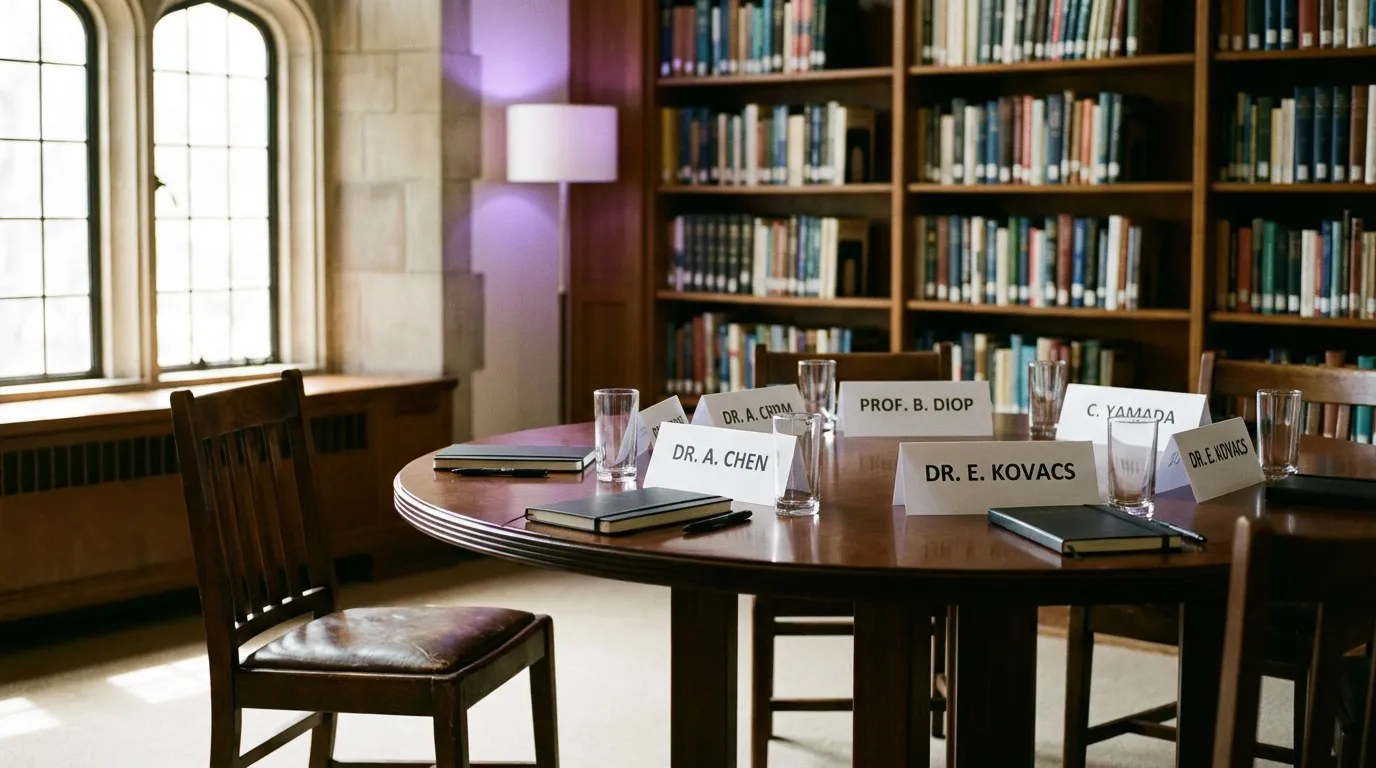
What Happens When an AI Platform Sits at the Table With Leading Education Researchers?
At the M-CTRAS 2025 conference at Johannes Kepler University in Linz, Kampster AI presented its methodology not as another EdTech product, but as part of the scientific conversation about how people actually learn.
Milos
The Capability Revolution: Why the New Kampster AI Doesn't Teach People, It Makes Them More Capable
The biggest shift in the new Kampster AI isn't technological — it's methodological. Why we stopped trying to boost motivation and started building capability through daily micro-habits.
Milos
Short lessons built from what you already know, on the skills your work actually needs.